
Kava
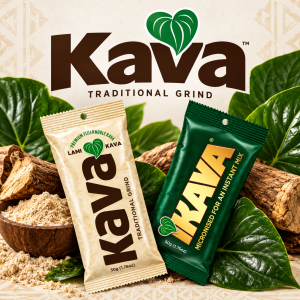
Kava kava (Piper methysticum) is a South Pacific plant whose root is used to make a psychoactive drink or supplement known for calming, anxiety‑reducing, and sedative effects. Kava is a tropical shrub native to the South Pacific; its root contains active compounds called kavalactones, which affect the brain and nervous system. Kava is legal to supply and consume in New Zealand. Kava is traditionally consumed as a ceremonial and social bonding drink in Polynesia, Micronesia, and Melanesia. Traditional preparation involves grinding the root and mixing with water or coconut milk. Modern forms include teas, powders, capsules, tablets, and liquid extracts.
Kavalactones influence neurotransmitters such as GABA, dopamine, and norepinephrine, producing calming and muscle‑relaxing effects. The potential benefits include: reduces mild anxiety and may help with stress; promotes relaxation and may support sleep. Side effects may include headaches, dizziness, fatigue, depression, diarrhea, and skin changes. Kava should not be used by people with liver disease, those pregnant or breastfeeding, or individuals taking certain medications (e.g., benzodiazepines, antiretrovirals, Parkinson’s medications).

![Kava - Medicine Hunting In Paradise [Kilham]](https://cdn11.bigcommerce.com/s-nyzxbyvxym/images/stencil/500x659/products/179/455/11af94340df2149aa50f5a783c96c65ed7154dc9__42707.1633573387.jpg?c=1 "Kava - Medicine Hunting In Paradise [Kilham]")
![Kava The Pacific Elixer [Lebot Merlin Lindstrom]](https://cdn11.bigcommerce.com/s-nyzxbyvxym/images/stencil/500x659/products/178/454/e93b871fec38110409bd996b54440a48358a1c95__08536.1633573384.jpg?c=1 "Kava The Pacific Elixer [Lebot Merlin Lindstrom]")